
February 11, 2026
How to Choose the Right Solar Generator for Your RV
Reliable electricity shapes everyday comfort for people living or traveling in an RV. From keeping food fresh to charging phones and running fans, power supports both convenience and safety on the road. Unlike traditional homes, RVs must carry their energy supply or generate it independently. Solar generators have become a popular solution because they provide quiet, portable, and renewable power without fuel. Choosing the right system requires understanding personal energy habits and the technical features that support them. In this article, practical guidance explains how to match a generator solar setup to real RV living needs.
1. Calculate Your Power Needs
List Your Essential RV Appliances
Every RV setup includes a mix of essential and optional electrical devices. Common essentials include a refrigerator, lights, water pump, phone chargers, and possibly a laptop for work or entertainment. Some travelers also rely on medical devices, Wi-Fi routers, or small cooking appliances. Writing down each item helps create a clear picture of daily energy demand. Even small devices add up when used consistently throughout the day. A detailed list prevents underestimating how much stored power is truly required.
Estimate Daily Energy Consumption
Once appliances are listed, estimating how long each one runs daily makes planning more accurate. Refrigerators cycle on and off all day, while lights and electronics may run only in the evening. Checking wattage labels and multiplying by hours of use gives a rough watt-hour estimate. Adding these numbers together provides a realistic daily energy target. Including a buffer for unexpected usage or cloudy weather increases reliability. This calculation forms the foundation for choosing the right battery capacity.
2. Choose the Power Station
Match Capacity to Your Usage
Battery capacity determines how long power can last between recharges. RV travelers who stay off-grid for several days need larger capacities than weekend campers. A system that only barely covers daily needs may feel stressful to manage. Choosing a station with extra headroom allows for comfort, flexibility, and weather variations. Larger batteries also reduce how often deep discharges occur, which can support longer lifespan. Matching capacity carefully ensures smoother day-to-day living on the road.
Ensure It Has the Right Outputs (AC, DC, USB)
Different RV devices require different types of power outputs. Standard household-style AC outlets are needed for appliances like microwaves or coffee makers. DC ports can directly support certain RV systems more efficiently. USB ports are convenient for charging phones, tablets, and small electronics without extra adapters. Having a mix of these outputs reduces the need for converters and extension cords. A well-equipped power station functions as a central energy hub for the entire RV.
3. Select Solar Panels
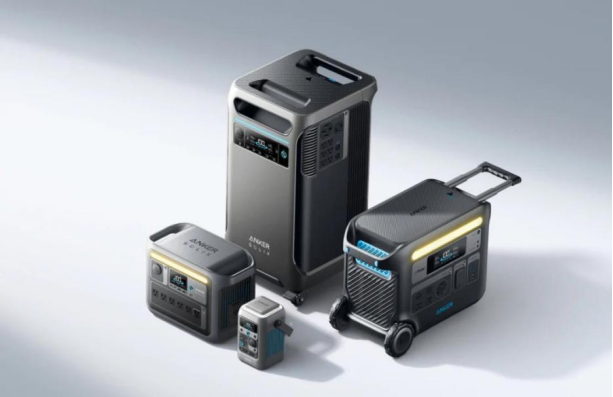
Solar panels determine how quickly a battery can be refilled while parked or camping off-grid. Panel wattage, efficiency, and portability all matter depending on travel style and available roof or ground space. Foldable portable panels are flexible for travelers who prefer parking in shade while placing panels in sunlight nearby. Integrated solar generator systems, including options in the Anker Solix range, combine efficient panels with portable power stations in a way that suits changing campsites and varying weather. Their durable design and adaptable output make them practical for RV users who need reliable charging without complex setups. Choosing panels that balance power, weight, and ease of deployment helps maintain steady energy during extended trips.
4. Compare Key Features
Check Recharge Speed from Multiple Sources
Recharge speed becomes important when sunlight is limited or travel schedules are tight. Some power stations can recharge not only from solar panels but also from shore power or vehicle outlets. Faster charging allows batteries to top up during short stops or partial sunny periods. This flexibility reduces downtime and keeps essential systems running. Understanding input limits ensures panels and chargers are matched correctly. A system that recharges efficiently from multiple sources provides greater travel freedom.
Prioritize Pure Sine Wave AC Output
Sensitive electronics such as laptops, TVs, and medical equipment benefit from clean and stable power. Pure sine wave AC output closely matches the electricity supplied in homes. This reduces the risk of buzzing sounds, overheating, or long-term device stress. Many modern power stations include this feature, but it is still important to confirm. Stable output improves compatibility with a wider range of appliances. For RV living that includes work or delicate electronics, this feature becomes especially valuable.
5. Plan for the Future
Energy needs often grow over time as travel habits change. A couple who begins with basic lighting and phone charging may later add a portable freezer, work equipment, or entertainment devices. Choosing a system that allows expansion through additional panels or extra batteries supports long-term flexibility. Considering storage space and weight limits in the RV also helps future-proof the setup. Investing in adaptable equipment reduces the need for complete replacements later. Planning ahead makes the solar system a lasting part of RV life rather than a short-term fix.

Conclusion
Selecting the right solar generator for RV living involves balancing daily energy needs with practical equipment features. Careful calculations ensure the battery capacity matches real usage patterns. The right mix of outputs allows multiple devices to run safely and efficiently. Well-chosen solar panels keep the system charged across different campsites and weather conditions. Additional features like fast recharging and clean AC output improve reliability and comfort. With thoughtful planning, a solar generator becomes a dependable partner for flexible and enjoyable life on the road.